
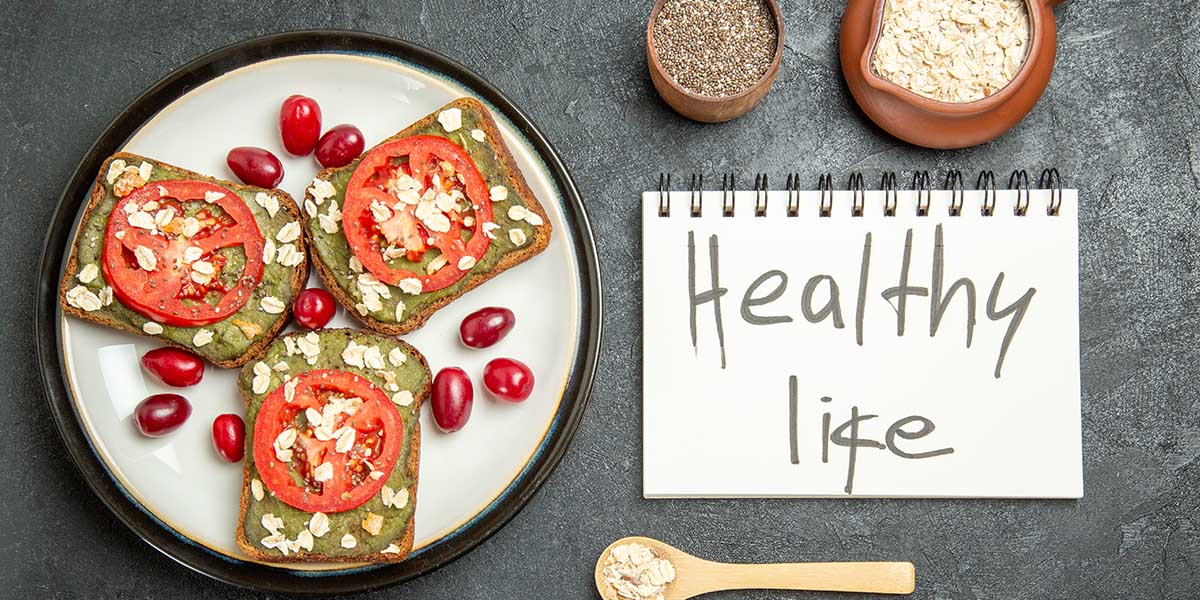
Healthy eating is not about strict rules or temporary diets. It is about building habits that support your body every day. The food you eat affects your energy levels, digestion, immunity, mood, and long-term health. When healthy eating becomes part of your daily routine, it helps prevent lifestyle diseases, maintain a healthy weight, and improve overall well-being.
Many people think improving diet requires drastic changes, but the truth is that small, consistent habits bring the best results. Below are ten practical and effective healthy eating habits that can significantly improve your lifestyle.
- Start Your Day with a Nutritious Breakfast
Breakfast provides energy after a long overnight fast and prepares your body for the day ahead. A balanced breakfast improves concentration, stabilizes blood sugar levels, and reduces cravings later in the day.
A healthy breakfast should include:
- Protein such as eggs, yogurt, or sprouts
- Fiber such as oats, whole grains, or fruits
- Healthy fats such as nuts or seeds
Skipping breakfast often leads to overeating later and reduced energy levels. Even a simple meal like fruit with nuts or vegetable poha can be a good start.
- Drink Enough Water Throughout the Day
Water plays a vital role in digestion, circulation, and body temperature regulation. It also helps remove toxins and supports healthy skin.
Many people mistake thirst for hunger, which leads to unnecessary snacking. Drinking water regularly helps control appetite and improves metabolism.
Tips to stay hydrated:
- Start your morning with a glass of warm water
- Carry a water bottle throughout the day
- Drink water before meals to support digestion
Aim for around 8–10 glasses daily, adjusting according to weather and physical activity.
- Include More Fruits and Vegetables in Your Meals
Fruits and vegetables are rich in vitamins, minerals, antioxidants, and fiber. These nutrients help boost immunity, improve digestion, and reduce the risk of chronic diseases.
Try these simple ways to include more produce:
- Add salad to lunch and dinner
- Include fruit as a snack instead of packaged foods
- Add vegetables to soups, dals, and sandwiches
A good rule is to fill half your plate with vegetables during major meals.
- Control Portion Sizes
Even healthy foods can lead to weight gain if consumed in large amounts. Portion control helps maintain calorie balance and supports weight management.
Practical portion control tips:
- Use smaller plates and bowls
- Avoid eating directly from packets
- Eat slowly and stop when comfortably full
Listening to your body’s hunger and fullness signals is one of the most effective ways to maintain a healthy diet.
- Reduce Consumption of Processed and Packaged Foods
Processed foods often contain high amounts of sugar, salt, preservatives, and unhealthy fats. Frequent consumption may increase the risk of obesity, diabetes, and heart disease.
Common processed foods to limit:
- Chips and packaged snacks
- Sugary beverages
- Instant noodles and ready meals
- Bakery products with refined flour
Replacing processed foods with home-cooked meals improves overall nutrition and supports long-term health.
- Include Protein in Every Meal
Protein is essential for muscle repair, immunity, and maintaining energy levels. It also helps keep you full for longer, reducing unnecessary snacking.
Good protein sources include:
- Lentils and legumes
- Eggs
- Paneer and yogurt
- Soy products
- Nuts and seeds
Including protein in breakfast, lunch, and dinner helps maintain steady energy levels throughout the day.
- Eat Slowly and Mindfully
Eating quickly can lead to overeating because the brain needs time to recognize fullness. Mindful eating improves digestion and helps you enjoy your meals more.
Ways to practice mindful eating:
- Chew food properly
- Avoid eating while watching TV or using mobile phones
- Focus on the taste and texture of food
Eating slowly also reduces bloating and improves nutrient absorption.
- Limit Sugar Intake
Excess sugar contributes to weight gain, tooth decay, and an increased risk of diabetes. Many packaged foods contain hidden sugars, including sauces, cereals, and flavored drinks.
Tips to reduce sugar intake:
- Choose fresh fruits instead of sweets
- Avoid sugary beverages
- Check labels for added sugar
Gradually reducing sugar allows your taste buds to adjust naturally.
- Plan Your Meals in Advance
Meal planning helps you make healthier food choices and reduces reliance on fast food. It also saves time and helps maintain consistency in your diet.
Simple meal planning steps:
- Decide meals for the week
- Prepare a grocery list
- Cook ingredients in advance
- Store meals properly
Planning meals makes healthy eating practical, even on busy days.
- Maintain Consistency and Balance
Healthy eating is not about perfection. Occasional treats are fine as long as your overall diet is balanced. Consistency matters more than short-term dieting.
Focus on:
- Regular meal timings
- Balanced meals
- Long-term habits
A sustainable approach helps maintain results and prevents frustration.
Additional Tips for a Healthier Lifestyle
While diet plays a major role, combining healthy eating with other habits enhances results:
- Engage in regular physical activity
- Get 7–8 hours of sleep daily
- Manage stress through relaxation techniques
- Avoid smoking and limit alcohol
These lifestyle practices work together to improve overall well-being.
Common Challenges and How to Overcome Them
Many people struggle to maintain healthy eating habits due to busy schedules or lack of planning. Here are some solutions:
Lack of time: Prepare meals in batches or keep healthy snacks ready.
Cravings for junk food: Replace unhealthy snacks with roasted nuts, fruits, or homemade snacks.
Eating outside frequently: Choose grilled, steamed, or lightly cooked options instead of fried foods.
Making gradual changes helps habits last longer.
Conclusion
Healthy eating habits are the foundation of a healthy lifestyle. Simple steps like drinking enough water, eating balanced meals, controlling portions, and reducing processed foods can make a significant difference.
Instead of focusing on strict diets, aim to build habits that you can maintain for years. Your body responds best to consistency, balance, and mindful choices.
Start Your Healthy Eating Journey Today
Improving your eating habits becomes easier when you have expert guidance and a personalized plan designed for your body and lifestyle. A customized nutrition plan helps you achieve your health goals safely and effectively while ensuring your daily meals remain practical and enjoyable.
If you are looking to:
- Lose or gain weight in a healthy way
- Improve digestion and energy levels
- Manage conditions like diabetes, thyroid, or PCOS
- Build long-term healthy eating habits
Professional nutrition guidance can make a meaningful difference.
Book a consultation today and take the first step toward a healthier and more balanced lifestyle.